
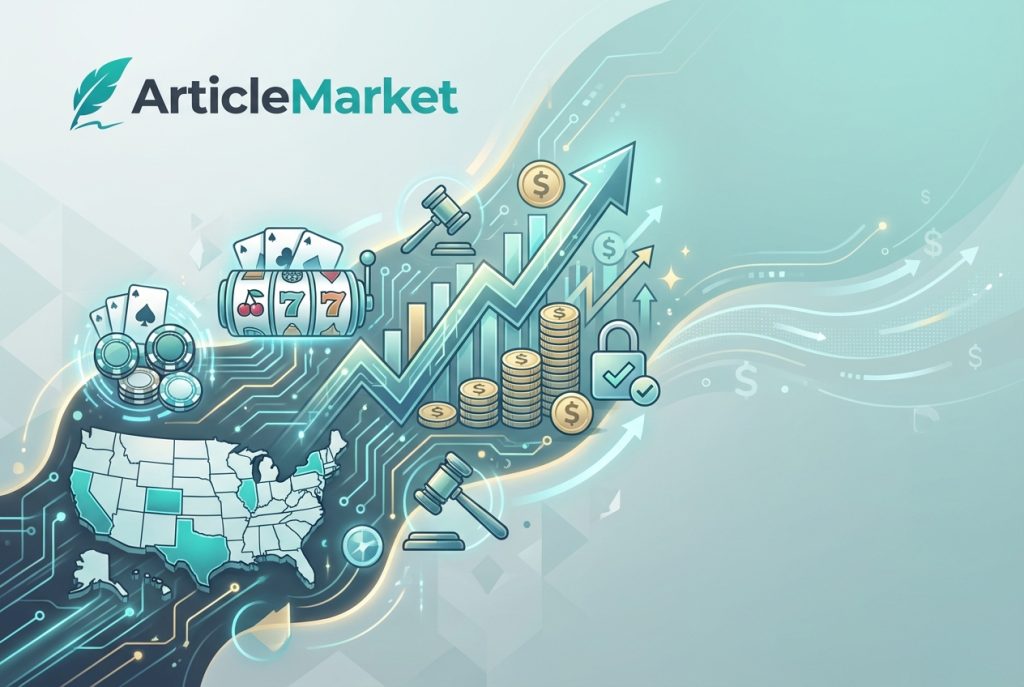
Many states in the U.S. have a legal gambling framework, meaning they license real money casinos. Even states without a legal framework for licensing third-party casinos have their own local hubs where they provide select casino games and sports betting.
Regulated casinos are a measurable economic force, and lawmakers are purely motivated to legalize digital gambling for its potential economic benefit. Online casinos also shape and impact consumer behavior and personal finances. Here are the economic impacts of online casinos in regulated U.S. markets:
Revenue Generation
Casinos are thriving in regulated markets across the US. You just need to look at how many people explore review and comparison sites like casino.com/us, looking for a legitimate platform to join. For these players, review sites offer insights into the best casinos with the most games, fair results, and lucrative bonuses. They also want secure sites and fast deposits and withdrawals paired with responsive support. If player visits aren’t enough proof, check the financial reports on gambling revenue generated by casinos and states from just one quarter—it’s often in the millions or billions!
Regulated online casinos are a hot cake for players and generate consistent state-level revenue through taxes, licensing fees, and ongoing compliance payments. With demand for games and casinos already high, states can no longer afford to miss out on digital revenue. Instead of forcing players to look for offshore alternatives, states can regulate markets to capture this revenue. States tax gross gaming revenue from the casinos, creating recurring income without physical infrastructure. The funds go toward education, transportation, public health programs, and other state-level economic initiatives.
Market Stabilization
Thanks to regulation, online casino markets have structure and order. Providers are not just marketing to everyone without providing quality. Licensed operators only qualify if they meet strict standards that cover things like game integrity, RNG testing, data safety, and financial reporting. Even advertising practices are under scrutiny. While players can explore any site they want, states are proactive about preventing non-licensed firms from targeting their residents. They also have frameworks to protect players, handle concerns, and provide info. Such measures remove unreliable operators from the industry and help reduce fraud.
Regulated markets allow authorities to monitor performance and intervene to mitigate risks. They provide oversight that prevents sudden collapse that could harm consumers or disrupt revenue streams. Clear legal frameworks also benefit casino providers, encouraging long-term investment in technology, compliance, and customer service. Businesses can plan, expand, and hire with confidence. This doesn’t slow growth—it leads to sustainable ventures that protect the businesses, players, and the economy. Regulated markets are arguably more resilient during economic downturns, and the casinos are required to meet specific obligations, reducing the chances of random, unpredictable exits.
Consumer Engagement
Players have benefited a lot from market regulation. Without regulation, they depend on offshore sites, which often don’t have specific frameworks to tend to local needs. After regulation, these needs, such as responsive support, help desk, self-exclusion frameworks, support for local currency, and gambling help resources, are easily available. RNGs are independently audited for fair results, local payment methods offer more affordable and convenient transactions, and previous limitations caused by location or operating hours are lifted. Digital access supports controlled participation, giving players convenient access to games when they need them.
Many players today can research and compare licensed platforms, which have definitely passed the bare minimum standards. Players can also look for bonuses and set personal limits without playing. The increase in publications and awareness that comes with regulation allows players to make more informed choices and decisions. Transparency and clarity simply change habits. Players can quickly learn to take advantage of existing tools to gamble responsibly while enjoying their time online. This leads to sustainable growth and engagement, which translates to long-term revenue for states.
Industry Growth
With regulation comes industry growth. More companies come in to secure their license and provide gambling products. They set up local bases and increase employment opportunities beyond traditional gaming roles. Operators also need various skill sets to help run the business and meet customer demands. This means hiring game developers, cybersecurity, compliance, and marketing teams, and customer service staff. These positions contribute to local jobs. Also, providers may sponsor initiatives and campaigns that benefit the community, like supporting gaming, social, and sports activities.
Online gambling growth also drives innovation as competition pushes platforms to improve mobile performance, payment security, and fraud prevention. These adjustments don’t benefit casinos only— they spread to fintech and digital payment industries, resulting in widespread growth and economic boost. Regulation also attracts established operators rather than short-term entrants, leading to sustainable growth and lasting job opportunities. The structured growth results in a more stable economy and industry.
Key Takeaways: The Future Of Regulated Online Casinos
People have always had time to spare for gaming, especially with the introduction of online casinos and smartphones that bring games to the palm of a player’s hand. With advancements in automation and AI, people will have even more opportunities to play hands-free while running errands and other things. This means increased demand for gaming platforms and products. It’s safe to assume that all markets will be regulated, but players will be able to play from whichever casino they prefer. Even so, the next phase will be heavily data-driven.
